
2025-01-24 06:30:00


AI FOR POWER GRIDS

By Naoufal Layad Senior Data Scientist, C3 AI
ENERGYCENTRAL - Jan 15, 2025 - As power grids face mounting challenges from extreme weather events and the integration of renewable energy sources, artificial intelligence is emerging as a crucial tool for maintaining grid stability and efficiency. Recent implementations of AI technologies have demonstrated unprecedented improvements in grid operations, with some utilities reporting up to 40% reduction in outage durations and 20% improvements in overall system efficiency.
The modern power grid generates massive amounts of data from millions of sensors, smart meters, and weather stations. AI systems excel at processing this information in real-time, enabling capabilities that were previously impossible. Advanced neural networks now predict demand patterns with 95% accuracy, allowing automated load balancing systems to reduce peak demand while maintaining grid stability. These systems continuously analyze patterns in power flow, weather conditions, and consumption data to optimize grid operations dynamically.
Deep learning algorithms have transformed fault detection and response capabilities. When potential issues are detected, AI-driven self-healing networks can isolate problems and reroute power in milliseconds, often preventing outages before they occur. This rapid response capability has proven particularly valuable during severe weather events, where predictive AI models combine weather forecasts with grid vulnerability assessments to optimize resource deployment before storms hit.
The integration of renewable energy sources, long a challenge for grid operators, has become more manageable through AI-powered forecasting systems. These systems predict solar and wind generation with remarkable accuracy, enabling grid operators to balance supply and demand efficiently. The technology has reduced renewable energy curtailment significantly while maintaining grid stability, marking a crucial step toward a more sustainable energy future.
Cybersecurity represents another critical application of AI in grid operations. As cyber threats become more sophisticated, AI-powered security systems continuously monitor network traffic patterns, detecting and responding to potential threats in real-time. These systems have demonstrated exceptional accuracy in identifying suspicious activities, providing crucial protection for critical infrastructure.
The economic impact of these improvements has been substantial. Utilities implementing AI systems typically see returns on investment within three years, driven by reduced maintenance costs, improved asset utilization, and lower outage-related expenses. These savings ultimately benefit consumers through more reliable service and stable energy costs.
Despite these successes, challenges remain in implementing AI technologies across the grid. Data quality and standardization issues, integration with legacy systems, and workforce training needs must be carefully addressed. Successful implementation requires a comprehensive approach that combines technical expertise with careful planning and ongoing system validation.
Looking ahead, emerging technologies promise even greater improvements in grid operations. The integration of edge computing will enable faster response times and enhanced local control, while advances in quantum computing techniques may soon allow for real-time optimization across millions of grid nodes simultaneously.
As power grids continue to evolve, AI will play an increasingly crucial role in ensuring reliable, efficient, and sustainable energy distribution. The technology has moved beyond theoretical applications to deliver concrete improvements in grid operations, setting the stage for a more resilient and efficient energy future. Organizations that effectively implement these technologies will be better positioned to meet the challenges of an increasingly complex energy landscape while delivering improved service to their customers.
The transformation of grid operations through AI represents more than just technological advancement—it marks a fundamental shift in how we manage and distribute energy. As these systems continue to evolve, they will enable unprecedented levels of grid reliability and efficiency, helping to ensure stable energy delivery in an increasingly uncertain world.
----
Earlier:
2024, October, 8, 06:20:00
FLEXIBLE ENERGY MANAGEMENT
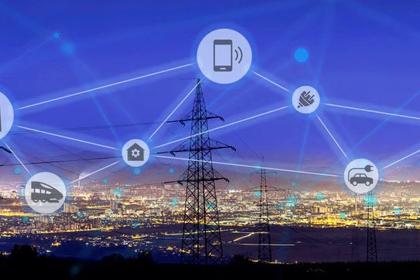
Flexibility is increasingly emerging as a crucial strategy to address all of this at both macro and micro levels. On a macro scale, flexibility is essential for managing energy systems and grids.
2024, October, 3, 06:35:00
AI ENERGY MANAGEMENT
In a market characterized by increasing competition and volatility, investing in advanced analytics and machine learning technologies is essential for improving the buying (bids) and selling (offers) in the market.
2024, October, 3, 06:30:00
SMART ELECTRICITY GRID TECHNOLOGIES
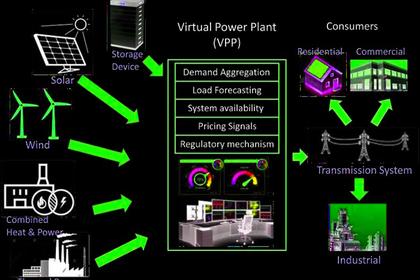
The smart grid market is undergoing rapid transition. The power distribution utilities, technology providers and system integrators are exploring smarter ways to exercise choices in the use of distributed energy resources and take control of the electricity distribution systems.
2024, October, 2, 06:50:00
ИСКУССТВЕННЫЙ ИНТЕЛЛЕКТ РОССИЙСКОЙ ЭНЕРГЕТИКИ
«ТЭК - один из лидеров по доле организаций, применяющих ИИ, а именно занимает 3 место среди отраслей (40,6%). В ближайшие три года ожидается рост этого показателя еще на 18,1 процентных пункта», - сказал заместитель Министра энергетики Эдуард Шереметцев.
2024, September, 30, 06:35:00
ЦИФРОВАЯ ЭНЕРГЕТИКА РОССИИ
Математические модели и цифровые двойники стали эффективными инструментами для проектирования, мониторинга, а также прогнозирования работы энергетических объектов.
2024, August, 6, 06:35:00
AI NEEDS GIANT ELECTRICITY
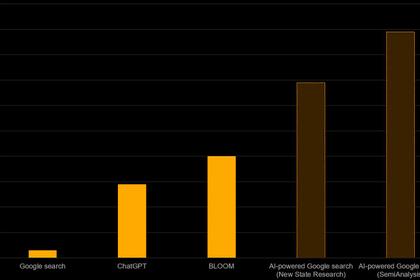
AI chatbots such as ChatGPT and Bard are known as voracious consumers of electricity and water. More precisely, it is the colossal data centers powering them that are to blame and there are no signs of slowing down.
2024, August, 6, 06:30:00
AI NEEDS HUGE ENERGY
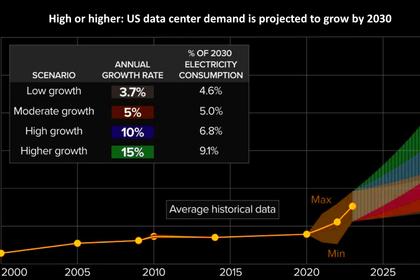
The International Energy Agency (IEA) predicts that the US data center electricity consumption will rise from 200 TWh in 2022 to about 260 TWh by 2026 – roughly 6% of US electricity demand – while a study by the Boston Consulting Group (BCG) puts the number at 7.5% by 2030.
2024, July, 3, 06:10:00
AI AS A THREAT
This starts by asking about who owns AI and how it might be employed in everyone’s best interest. The future belongs to us all.