
2025-03-19 06:25:00


INDIA NEED HYDROGEN

By Pradeep Kaimal Special Correspondent, Indoen
ENERGYCENTRAL- Mar 12, 2025 - India’s Green Hydrogen Mission is set to revolutionise its energy landscape by reducing carbon emissions and enhancing energy security. As the world’s third-largest energy consumer, India aims to cut its heavy reliance on fossil fuel imports, which reached $190 billion in 2024. The mission targets 5 million tonnes of green hydrogen production by 2030, leveraging India’s abundant solar and wind resources. Key challenges include high production costs, infrastructure development, and global competition. With strong policy support, corporate investments, and export opportunities, India is positioning itself as a global leader in green hydrogen, driving both sustainability and economic growth.
In the global race to achieve net-zero emissions, India stands at the threshold of a transformative clean energy revolution. Green hydrogen, a fuel produced through water electrolysis using renewable sources, has captured attention for its immense potential to cut carbon emissions and drive economic growth.
As a cleaner alternative to conventional grey hydrogen, green hydrogen releases no greenhouse gases during production, making it a key component of the world’s efforts to combat climate change.
Why green hydrogen is India’s game changer
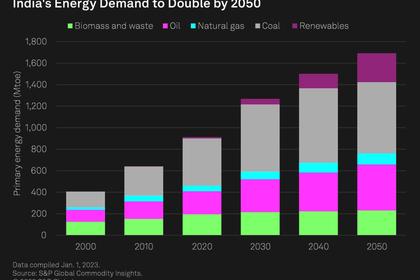
India’s energy story is one of rapid growth and escalating demand. As the world’s third-largest energy consumer, India’s energy needs are expected to rise by 35% by 2030. The nation’s heavy reliance on imported fossil fuels has resulted in an energy import bill that touched $190 billion in 2024.
Simultaneously, India has pledged to achieve net-zero carbon emissions by 2070, adding urgency to the search for sustainable energy solutions. Green hydrogen, with its potential to decarbonise high-emission sectors, offers a pathway to achieving these twin goals of energy independence and environmental sustainability.
The green hydrogen production process uses renewable electricity to split water molecules into hydrogen and oxygen. Unlike grey hydrogen, which relies on carbon-emitting fossil fuels, this method is carbon-free. India’s abundant solar and wind resources can serve as a foundation for green hydrogen production, providing the country with an opportunity to become a global leader in this emerging sector. However, realising this vision will require overcoming substantial economic and logistical challenges.
Bridging the cost gap: The key challenge
One of the primary hurdles facing green hydrogen adoption in India is its cost. Producing green hydrogen currently costs between $4 and $5 per kilogram—about double the cost of grey hydrogen. Achieving cost parity is essential for mass adoption and will require reducing costs to around $2 per kilogram. Several factors drive these high costs, including the expense of round-the-clock (RTC) renewable energy needed for production and the high price of electrolyser technology.
According to a report Green Hydrogen: Enabling Measures Roadmap for Adoption in India, the key to making green hydrogen cost-competitive lies in rapidly expanding India’s renewable energy capacity and cutting down transmission and distribution (T&D) charges. Reducing the cost of electrolysers, which currently make up 30–50% of production costs, is another crucial step. Policymakers, private investors, and technology innovators will all play a role in achieving these reductions.
Building a domestic ecosystem: The national green hydrogen mission
In early 2022, the Indian government launched the National Green Hydrogen Mission with a planned outlay of $2.3 billion. The mission’s primary goal is to produce 5 million tonnes of green hydrogen annually by 2030, driven by incentives for production, infrastructure development and market expansion. Most of India’s current hydrogen usage, such as in refineries and fertiliser manufacturing, relies on grey hydrogen. The mission aims to convert these sectors to green alternatives and expand the use of green hydrogen to other industries, such as steel production and transportation.
Leading Indian companies like Indian Oil Corporation, Adani Group, and Reliance Industries are investing heavily in green hydrogen projects, reflecting a growing interest in the sector. By setting up dedicated green hydrogen facilities, these companies are paving the way for widespread adoption and helping to create a stable demand base that can drive down costs.
Exporting green hydrogen: India’s global opportunity
While domestic adoption is critical, India’s potential as an exporter of green hydrogen and its derivatives, such as ammonia and methanol, presents an exciting economic opportunity. Global demand for green hydrogen is rising, driven by countries like the European Union, Japan, and South Korea, which are seeking cleaner energy sources to meet their climate commitments.
India’s access to low-cost renewable energy and its strategic geographical position make it a strong contender in this burgeoning market.
Exporting green hydrogen could provide Indian producers with better value realisation, spur infrastructure development, and attract foreign investment. However, building the necessary export infrastructure, including port facilities and hydrogen conversion plants, will be crucial. Establishing international agreements and harmonised standards for green hydrogen derivatives can further position India as a key supplier in this global market.
-----
Earlier:

2025, February, 20, 06:30:00
INDIA RENEWABLES 500 GW
India is forging ahead with its ambitious target of achieving 500 GW of renewable energy capacity by 2030, as reaffirmed by industry leaders at the recently concluded India Energy Week 2025.

2025, February, 13, 06:25:00
INDIA'S LNG IMPORTS WILL DOUBLE
Demand for the super-cooled fuel from the world’s fourth-largest buyer will rise to an annual 64 billion cubic meters by 2030, up from 36 billion last year, according to the IEA’s latest report on the Indian gas market, published on Wednesday.

2025, February, 13, 06:20:00
INDIA'S NUCLEAR SMR
Indian Railways has been seen as a potential joint venture partner for nuclear projects for many years: as long ago as 2017 NPCIL said it planned a joint venture with the state-owned enterprise.

2025, February, 7, 06:35:00
INDIA NEED NUCLEAR
India currently has an installed nuclear capacity of 8,180 MWe, according to the Atomic Energy Regulatory Board.

2025, January, 29, 06:40:00
INDIA RENEWABLES 217 GW
India aims to achieve 500 GW of non-fossil fuel-based energy capacity by 2030, with an intermediate target of 358 GW at the end of 2026.

2024, December, 13, 06:45:00
INDIA NEED RUSSIAN OIL
India's rising Russian imports have come at the expense of rival Middle Eastern producers. The Reliance-Rosneft deal would represent another challenge for competitors, including Saudi Arabia.

2024, November, 14, 06:50:00
INDIA, RUSSIA TRADE: UP 5 TIMES
Trade between the traditional allies have shot up five times in the past three years, according to trade ministry data, as India lapped up Russian crude oil while most others shunned its barrels following the invasion of Ukraine.
2024, November, 14, 06:45:00
INDIA ENERGY TRANSFORMATION
Since gaining independence in 1947, India's power sector has achieved remarkable growth, with the installed capacity soaring from a mere 1,300 MW to an impressive 400 GW by 2023. This growth trajectory has been propelled by strategic investments in thermal, hydro, and renewable energy, underlining the sector's resilience, adaptability, and alignment with global sustainability goals.