
2025-05-13 06:15:00


SMR FOR NORTHERN EUROPE
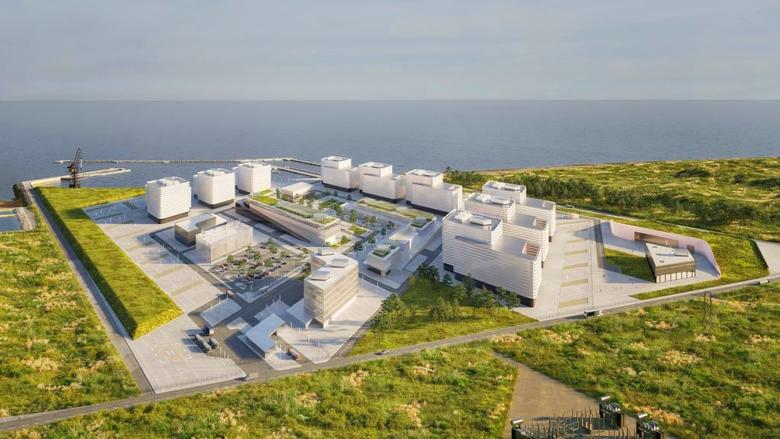
N- May 1, 2025 - Swedish nuclear energy company Blykalla and Norway’s Institute for Energy Technology (IFE) have agreed a strategic collaboration to accelerate the technical development of Blykalla’s SEALER small modular reactor (SMR).
Blykalla, founded in 2013, is a spin-off from the KTH Royal Institute of Technology in Stockholm. Its SMR prototype SEALER (Swedish Advanced Lead-cooled Reactor) design is a fast compact reactor with passive safety. Each reactor will have a 55 MWe capacity, which can be increased by installing multiple units at the same location. The reactor is designed with the smallest possible core that can achieve criticality in a fast spectrum using 19.9% enriched nitride fuel.
The collaboration focuses on a number of critical areas seen as essential for scaling SEALER from prototype to full commercial readiness. These include the development of control room and operator environments, based on modern Human Factors Engineering principles, as well as the design of instrumentation and control systems to enable remote and autonomous operation. IFE will also contribute to the engineering of core mechanical components, such as shutdown assemblies and fuel handling systems, and support the design of radiation shielding to meet rigorous regulatory requirements.
-----
Earlier:

2025, February, 20, 06:20:00
GLOBAL ENERGY TRANSFORMATION
The energy and utilities sector is undergoing a profound transformation driven by the need for greater efficiency, sustainability, and resilience in response to evolving consumer demands and global climate objectives.

2025, February, 7, 06:40:00
GLOBAL NUCLEAR: DISPATCHABLE ENERGY
Unlike wind and solar, nuclear power plants and hydropower offer dispatchable energy, meaning they are able to adjust their output to meet electricity demand.

2024, November, 26, 06:25:00
GLOBAL NUCLEAR POWER EXPANSION
Reaching global decarbonization targets by 2050 will require a significant expansion of nuclear power.
2024, October, 18, 06:40:00
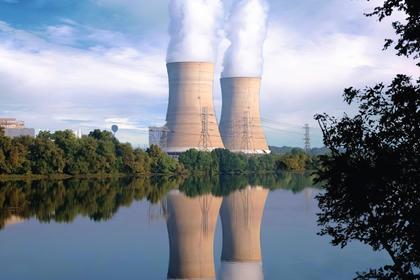
GLOBAL NUCLEAR KEY
“To get to carbon free, 24 hours a day, we need more technologies than just wind and solar.”
2024, October, 18, 06:35:00
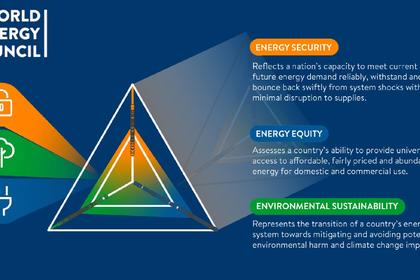
GLOBAL ENERGY SYSTEM SUSTAINABILITY
Furthermore, the vulnerabilities of the power sector have cascading effects on critical infrastructure such as communication, health and other emergency services. On a power system level, a lack of situational awareness, inadequate system visibility and ageing infrastructure further contribute to a wider disturbance propagation and slowing down of restoration services.
2024, September, 30, 06:50:00
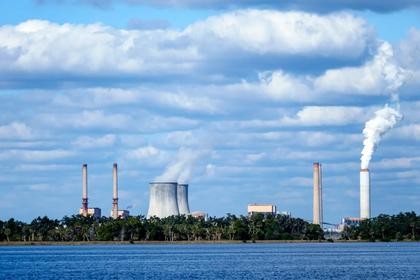
GLOBAL NUCLEAR FINANCIAL SUPPORT
At New York Climate Week, a group of 14 financial institutions on Monday stated their recognition that global civil nuclear energy projects have an important role to play in the transition to a low-carbon economy.
2024, September, 9, 06:40:00
GLOBAL NUCLEAR COOPERATION
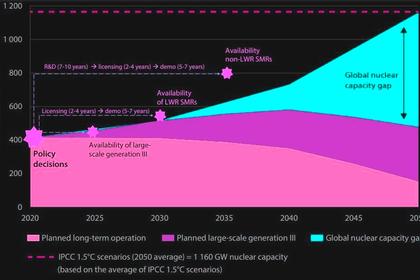
More than 20 countries at COP28 pledged to work towards tripling global nuclear power capacity to reach net-zero by 2050.
2024, August, 28, 06:45:00
GLOBAL NUCLEAR POWER CHANGES
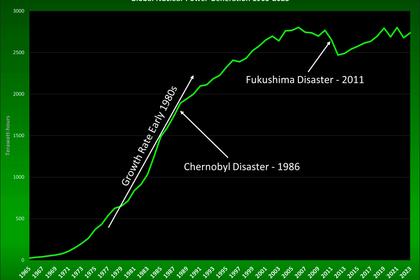
In 2023, nuclear power generation increased by 2% despite a slight decrease in total installed capacity.