
Analysis
2016, April, 27, 20:40:00
WORLD BANK PRICE: $41
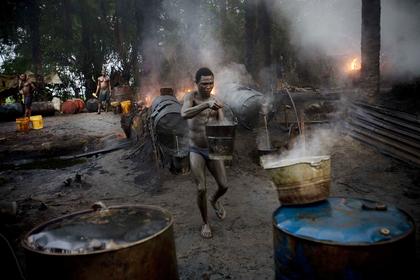
Amid improving market sentiment and a weakening dollar, the World Bank is raising its 2016 forecast for crude oil prices to $41 per barrel from $37 per barrel.
2016, April, 27, 20:35:00
CANADA'S GAS PRODUCTION WILL UP
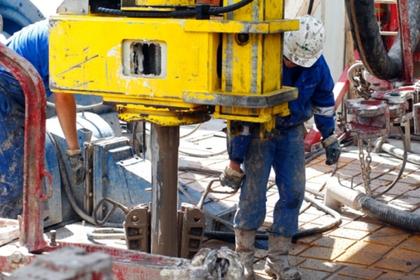
Canada's National Energy Board (NEB) projects that both Canada's natural gas production and its domestic natural gas consumption will increase through the next decade. Exports of natural gas by pipeline to the United States are expected to continue to decline. The planned construction of liquefied natural gas (LNG) export terminals on Canada's western coast, which would send LNG exports to Asian markets by 2019, plays a key role in maintaining Canada's overall natural gas exports.
2016, April, 27, 20:30:00
TOTAL DOWN 40%
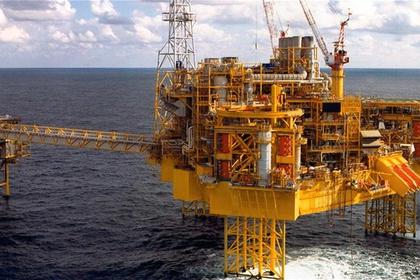
The French oil company said on Wednesday it had made $1.6bn in adjusted net income in the first three months of the year. This marks a turnround from the previous quarter, when it made a loss of $1.8bn, but remains some way below the $2.6bn it made in the first quarter of last year.
2016, April, 26, 20:19:00
GLOBAL OIL DEFICIT
A global crude oil deficit will develop before the end of this year, the chairman of Facts Global Energy consultancy Fereidun Fesharaki said Monday.
2016, April, 26, 19:55:00
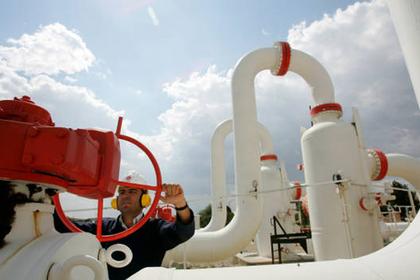
TURKEY GAS OPPORTUNITIES
Russia has been developing new pipeline projects such as South Stream, Turk Stream and Nord Stream 2. If one of them were to be realized then transit risk stemming from Ukraine would be severely minimized and Moscow would have important strategic leverage.
2016, April, 26, 19:50:00
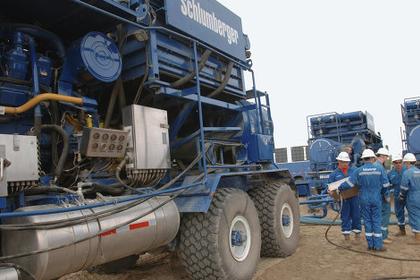
SCHLUMBERGER DOWN 63%
During the first quarter of 2016, the decline in global activity and the rate of activity disruption reached unprecedented levels as the industry displayed clear signs of operating in a full-scale cash crisis. Budgeted E&P spend fell again and substantially affected our operating results. This environment is expected to continue deteriorating over the coming quarter given the magnitude and erratic nature of the disruptions in activity.
2016, April, 26, 19:45:00
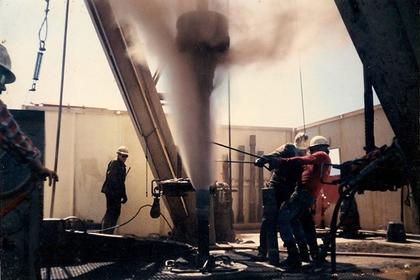
NABORS NET LOSS $398.3 MLN
Net income (loss) from continuing operations for the quarter was a loss of $396.6 million, or ($1.41) per diluted share, compared to a loss of $161.1 million, or ($0.57) per diluted share, last quarter.
2016, April, 26, 19:40:00
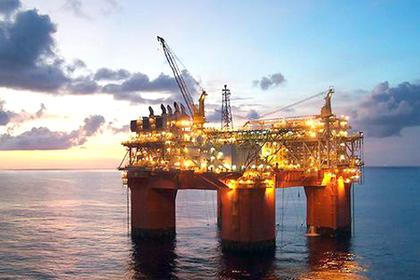
BP LOSS $583 MLN
BP’s first-quarter replacement cost (RC) loss was $485 million, compared with a profit of $2,103 million a year ago. After adjusting for a net charge for non-operating items of $778 million and net unfavourable fair value accounting effects of $239 million (both on a post-tax basis), underlying RC profit for the first quarter was $532 million, compared with $2,577 million for the same period in 2015. Cumulative restructuring charges from the beginning of the fourth quarter 2014 totalled $1.9 billion by the end of the first quarter 2016.
2016, April, 24, 13:05:00
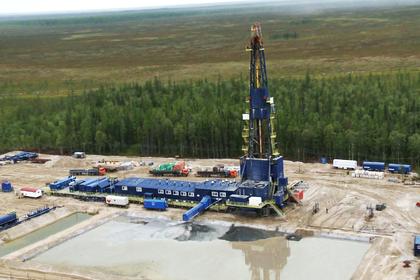
ФУНДАМЕНТАЛЬНЫЕ РЫНОЧНЫЕ ФАКТОРЫ
Смысл был договариваться в феврале, есть он и в апреле. Но, действительно, чем больше времени проходит, тем более значимыми становятся фундаментальные рыночные факторы. За счет снижения инвестиций в отрасль в результате низких цен предложение будет снижаться. Мы видим, что только за последние два года мейджоры существенно подсократили свои инвестиционные программы, общее недофинансирование отрасли составляет около $400 млрд. Наблюдается падение добычи сланцевой нефти в США уже больше чем на 500 тыс. баррелей с пиковых величин — сейчас они добывают меньше 9 млн баррелей в сутки. Это все будет влиять на то, что при росте спроса предложение будет снижаться, рынок все равно выровняется.
2016, April, 24, 12:50:00
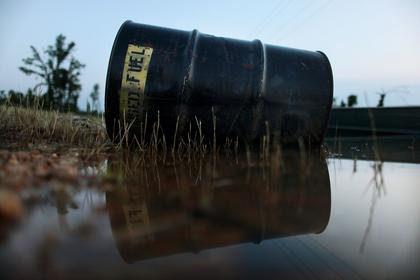
OIL PRICES UP $1.71
The May crude oil contract on the New York Mercantile Exchange climbed $1.55 on Apr. 20 to $42.63/bbl. The June contract was up $1.71 to $44.18/bbl.
2016, April, 24, 12:45:00
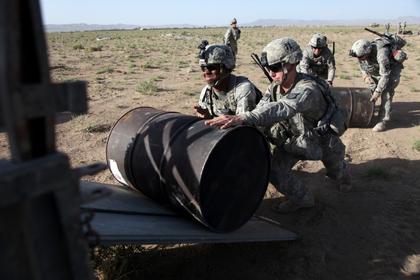
OIL MARKET STABILIZING
"I think $45 is a bit of a relief for all the oil producers around the world, but this is still far lower than to make the entire shale oil production profitable for the United States."
2016, April, 24, 12:40:00
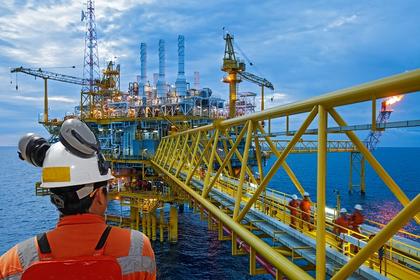
OIL MAJORS: THE WORST
The impact of weaker prices is being compounded by lower profits from refining, a business that has been bailing out oil majors over the past couple of years. Global refining margins dropped to $10.50 a barrel in the first quarter, 31 percent lower than a year earlier and 20 percent lower than the preceding quarter.
2016, April, 24, 12:20:00
U.S. RIGS DOWN 9
U.S. Rig Count is down 9 rigs from last week to 431, with oil rigs down 8 to 343, and gas rigs down 1 to 88.
Canadian Rig Count remains unchanged at 40, with oil rigs up 2 to 12, and gas rigs down 3 to 27.

2016, April, 21, 13:55:00
U.S. OIL PRODUCTION DOWN
The sharp decline in oil prices since the fourth quarter of 2014 has had a significant effect on drilling in the United States. The number of active onshore drilling rigs in the Lower 48 states fell 78% (from 1,876 to 412) between the weeks ending on October 31, 2014, and April 15, 2016, according to data from BakerHughes. The decline in active rigs and well completions is projected to result in month-over-month onshore oil production declines of 120,000 b/d through September 2016.
2016, April, 21, 13:50:00
U.S. LOSSES $67 BLN
A high debt-to-equity ratio can present challenges in the face of falling revenue, which most U.S. oil producers experienced in 2015 because of lower oil prices. A company agrees to the terms of a bank loan or bond issuance to fund projects with the expectation that its activities will generate sufficient revenue to service the debt and eventually repay it. Debt on the balance sheet implies future cash outflows. The need to service large amounts of debt as revenues declined made companies with high debt-to-equity ratios more vulnerable to losses than companies with less leverage in their capital structures.